- Teacher: أبوبكر يوسف بابكر المشرف
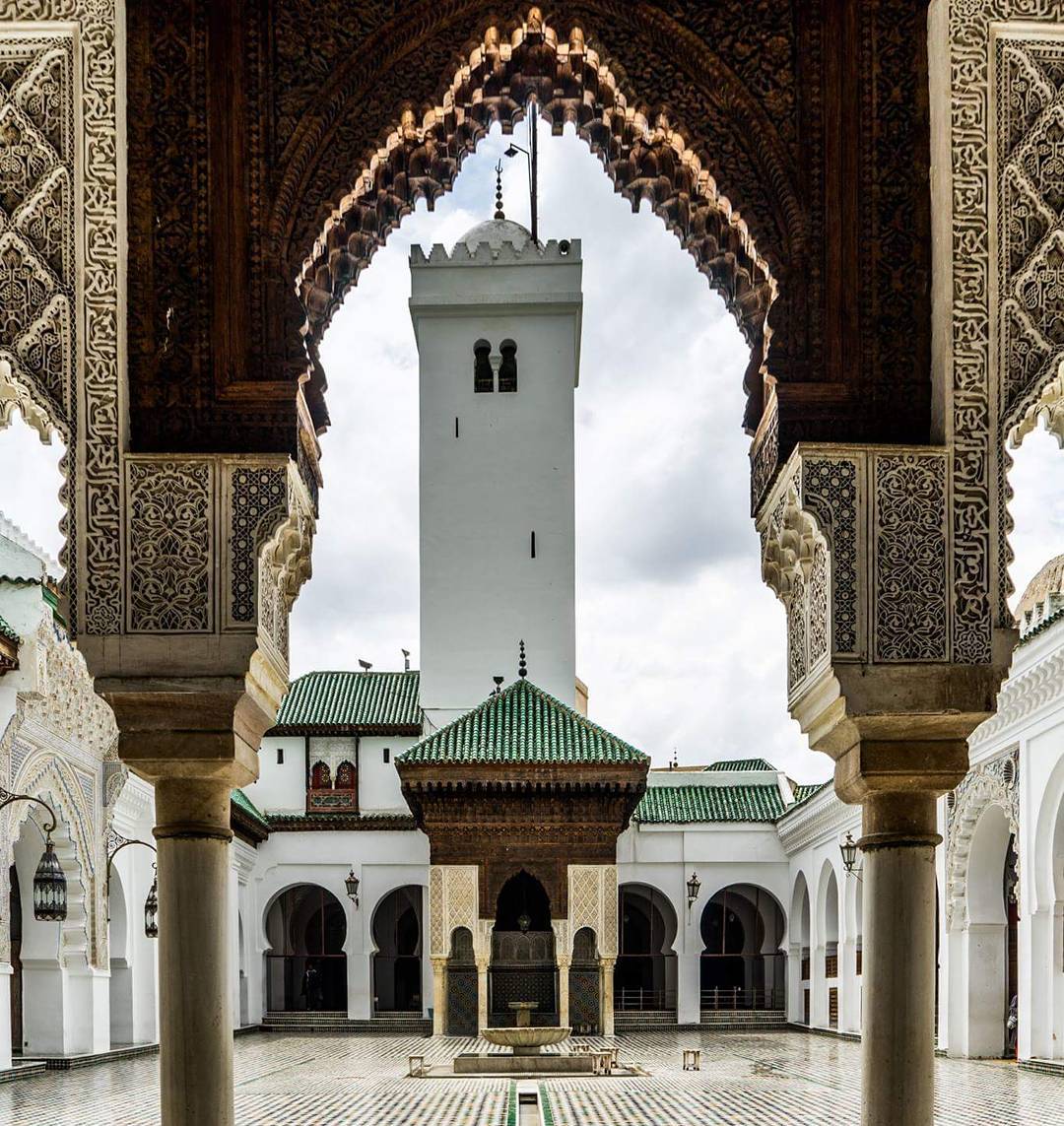
يتناول هذا المقرر دراسة تاريخ انتشار الإسلام في القارة الإفريقية وتطوره عبر العصور المختلفة، مع التركيز على العوامل الدينية والسياسية والاقتصادية والثقافية التي أسهمت في ترسيخه وانتشاره في مناطق متعددة من إفريقيا. ويهدف المقرر إلى إبراز خصوصية التجربة الإسلامية الإفريقية، وتحليل أنماط التفاعل بين الإسلام والمجتمعات المحلية، وأثر ذلك في تشكيل الهويات الثقافية والحضارية في القارة.
يبدأ المقرر بدراسة البدايات المبكرة لوصول الإسلام إلى إفريقيا، بدءًا بالهجرة إلى الحبشة، ثم دخول الإسلام إلى مصر وشمال إفريقيا، وانتشاره في بلاد المغرب والأندلس، قبل الانتقال إلى دراسة طرق انتشاره في غرب إفريقيا وشرقها ووسطها عبر التجارة، والدعوة السلمية، والطرق الصوفية، والهجرات العلمية. كما يتناول دور العلماء والتجار والمتصوفة في نشر الإسلام، وبناء المراكز العلمية، وتأسيس المدن الإسلامية.
ويعالج المقرر قيام الممالك والسلطنات الإسلامية في إفريقيا، مثل ممالك غانا ومالي وصنغاي في الغرب الإفريقي، وسلطنة كانم-برنو، وسلطنة الفونج في السودان، وسلطنة عدل في القرن الإفريقي، وغيرها من الكيانات السياسية التي تأثرت بالإسلام وأسهمت في ترسيخه. كما يناقش النظم السياسية والإدارية، والمؤسسات الدينية والتعليمية، ودور الشريعة في الحياة العامة.
ويركز المقرر كذلك على الحياة العلمية والثقافية في إفريقيا الإسلامية، بما في ذلك نشأة المدارس القرآنية، ومراكز العلم مثل تمبكتو، ودور المخطوطات الإفريقية في حفظ التراث الإسلامي. كما يسلط الضوء على التفاعل بين الإسلام والعادات المحلية، ومسائل التوفيق بين الشريعة والأعراف، وأثر الطرق الصوفية في البنية الاجتماعية.
كما يتناول المقرر مرحلة الاستعمار الأوروبي وأثرها في المجتمعات الإسلامية الإفريقية، من حيث التحديات السياسية والثقافية، وحركات الإصلاح والمقاومة الإسلامية، ثم يناقش أوضاع الإسلام في إفريقيا في العصر الحديث، وقضايا الهوية، والتعايش الديني، والتحولات الاجتماعية المعاصرة.
ويعتمد المقرر على تحليل المصادر التاريخية العربية والإفريقية، والوثائق الاستعمارية، والدراسات الحديثة، مع تدريب الطلاب على القراءة النقدية للنصوص، وفهم السياقات التاريخية والثقافية المختلفة.
This course examines the history of the spread of Islam in the African continent and its development across different historical periods. It focuses on the religious, political, economic, and cultural factors that contributed to the consolidation and expansion of Islam in various regions of Africa. The course aims to highlight the distinctive features of the Islamic experience in Africa and to analyze the patterns of interaction between Islam and local societies, as well as their impact on the formation of cultural and civilizational identities on the continent.
The course begins with a study of the early arrival of Islam in Africa, starting with the migration to Abyssinia, followed by the spread of Islam to Egypt and North Africa, and its expansion into the Maghrib and al-Andalus. It then examines the routes of Islamic expansion into West, East, and Central Africa through trade, peaceful missionary activity, Sufi orders, and scholarly migrations. The course also addresses the role of scholars, merchants, and Sufis in disseminating Islam, establishing centers of learning, and founding Islamic cities.
The course further explores the emergence of Islamic kingdoms and sultanates in Africa, such as the kingdoms of Ghana, Mali, and Songhay in West Africa, the Kanem-Bornu Sultanate, the Funj Sultanate in Sudan, and the Adal Sultanate in the Horn of Africa, among other political entities influenced by Islam and instrumental in its consolidation. It discusses political and administrative systems, religious and educational institutions, and the role of Islamic law (shariʿa) in public life.
The course also focuses on intellectual and cultural life in Islamic Africa, including the development of Qur’anic schools, major centers of learning such as Timbuktu, and the role of African manuscripts in preserving Islamic heritage. It highlights the interaction between Islam and local customs, issues related to harmonizing sharīʿa and customary law, and the influence of Sufi orders on social structures.
In addition, the course examines the period of European colonialism and its impact on African Muslim societies in terms of political and cultural challenges, Islamic reform and resistance movements, and contemporary developments. It concludes with a discussion of Islam in modern Africa, addressing issues of identity, religious coexistence, and current social transformations.
The course relies on the analysis of Arabic and African historical sources, colonial documents, and modern scholarship, while training students in critical reading and contextual understanding of diverse historical and cultural settings.
يبدأ المقرر بدراسة البدايات المبكرة لوصول الإسلام إلى إفريقيا، بدءًا بالهجرة إلى الحبشة، ثم دخول الإسلام إلى مصر وشمال إفريقيا، وانتشاره في بلاد المغرب والأندلس، قبل الانتقال إلى دراسة طرق انتشاره في غرب إفريقيا وشرقها ووسطها عبر التجارة، والدعوة السلمية، والطرق الصوفية، والهجرات العلمية. كما يتناول دور العلماء والتجار والمتصوفة في نشر الإسلام، وبناء المراكز العلمية، وتأسيس المدن الإسلامية.
ويعالج المقرر قيام الممالك والسلطنات الإسلامية في إفريقيا، مثل ممالك غانا ومالي وصنغاي في الغرب الإفريقي، وسلطنة كانم-برنو، وسلطنة الفونج في السودان، وسلطنة عدل في القرن الإفريقي، وغيرها من الكيانات السياسية التي تأثرت بالإسلام وأسهمت في ترسيخه. كما يناقش النظم السياسية والإدارية، والمؤسسات الدينية والتعليمية، ودور الشريعة في الحياة العامة.
ويركز المقرر كذلك على الحياة العلمية والثقافية في إفريقيا الإسلامية، بما في ذلك نشأة المدارس القرآنية، ومراكز العلم مثل تمبكتو، ودور المخطوطات الإفريقية في حفظ التراث الإسلامي. كما يسلط الضوء على التفاعل بين الإسلام والعادات المحلية، ومسائل التوفيق بين الشريعة والأعراف، وأثر الطرق الصوفية في البنية الاجتماعية.
كما يتناول المقرر مرحلة الاستعمار الأوروبي وأثرها في المجتمعات الإسلامية الإفريقية، من حيث التحديات السياسية والثقافية، وحركات الإصلاح والمقاومة الإسلامية، ثم يناقش أوضاع الإسلام في إفريقيا في العصر الحديث، وقضايا الهوية، والتعايش الديني، والتحولات الاجتماعية المعاصرة.
ويعتمد المقرر على تحليل المصادر التاريخية العربية والإفريقية، والوثائق الاستعمارية، والدراسات الحديثة، مع تدريب الطلاب على القراءة النقدية للنصوص، وفهم السياقات التاريخية والثقافية المختلفة.
This course examines the history of the spread of Islam in the African continent and its development across different historical periods. It focuses on the religious, political, economic, and cultural factors that contributed to the consolidation and expansion of Islam in various regions of Africa. The course aims to highlight the distinctive features of the Islamic experience in Africa and to analyze the patterns of interaction between Islam and local societies, as well as their impact on the formation of cultural and civilizational identities on the continent.
The course begins with a study of the early arrival of Islam in Africa, starting with the migration to Abyssinia, followed by the spread of Islam to Egypt and North Africa, and its expansion into the Maghrib and al-Andalus. It then examines the routes of Islamic expansion into West, East, and Central Africa through trade, peaceful missionary activity, Sufi orders, and scholarly migrations. The course also addresses the role of scholars, merchants, and Sufis in disseminating Islam, establishing centers of learning, and founding Islamic cities.
The course further explores the emergence of Islamic kingdoms and sultanates in Africa, such as the kingdoms of Ghana, Mali, and Songhay in West Africa, the Kanem-Bornu Sultanate, the Funj Sultanate in Sudan, and the Adal Sultanate in the Horn of Africa, among other political entities influenced by Islam and instrumental in its consolidation. It discusses political and administrative systems, religious and educational institutions, and the role of Islamic law (shariʿa) in public life.
The course also focuses on intellectual and cultural life in Islamic Africa, including the development of Qur’anic schools, major centers of learning such as Timbuktu, and the role of African manuscripts in preserving Islamic heritage. It highlights the interaction between Islam and local customs, issues related to harmonizing sharīʿa and customary law, and the influence of Sufi orders on social structures.
In addition, the course examines the period of European colonialism and its impact on African Muslim societies in terms of political and cultural challenges, Islamic reform and resistance movements, and contemporary developments. It concludes with a discussion of Islam in modern Africa, addressing issues of identity, religious coexistence, and current social transformations.
The course relies on the analysis of Arabic and African historical sources, colonial documents, and modern scholarship, while training students in critical reading and contextual understanding of diverse historical and cultural settings.
- Teacher: Tarig Mohamed Nour ALI