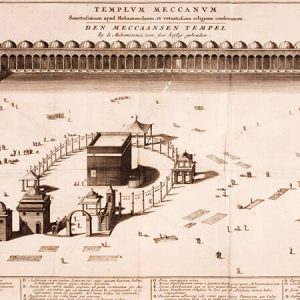
يتناول هذا المقرر نشأة الحضارة الإسلامية وتطورها عبر العصور المختلفة، منذ البدايات الأولى لتشكل المجتمع الإسلامي في صدر الإسلام، مرورًا بالعصرين الأموي والعباسي، ثم العصور اللاحقة في المشرق والمغرب الإسلامي، وصولاً إلى بعض مظاهرها في العصر العثماني. ويركز المقرر على دراسة الأسس الفكرية والثقافية والاجتماعية والسياسية التي قامت عليها الحضارة الإسلامية، وتحليل إسهاماتها في مختلف مجالات المعرفة الإنسانية.
يبدأ المقرر بتحديد مفهوم الحضارة وعناصرها، ومناقشة الخصائص المميزة للحضارة الإسلامية، من حيث المرجعية العقدية، والبعد القيمي، والانفتاح على الثقافات الأخرى. كما يعالج الظروف التاريخية التي أسهمت في تشكل هذه الحضارة، بما في ذلك الفتوحات الإسلامية، وحركة التفاعل الثقافي مع الحضارات السابقة كالفارسية واليونانية والهندية.
ويتناول المقرر النظم السياسية والإدارية في الدولة الإسلامية، وتطور مؤسسات الحكم، والدواوين، والنظام القضائي، إضافة إلى الحياة الاقتصادية من حيث أنظمة الخراج والضرائب، والتجارة، والصناعات، ودور المدن في ازدهار النشاط الحضاري. كما يسلط الضوء على البنية الاجتماعية، ومكانة المرأة، ونظم التعليم، ونشأة المؤسسات العلمية مثل المساجد، والكتاتيب، والمدارس، وبيت الحكمة.
ويركز المقرر كذلك على الإسهامات العلمية والفكرية للحضارة الإسلامية في مجالات العلوم الشرعية، والفلسفة، والطب، والرياضيات، والفلك، والجغرافيا، والعمارة، والفنون. ويتم إبراز دور العلماء المسلمين في تطوير المعرفة الإنسانية، وأثر ذلك في النهضة الأوروبية. كما يناقش المقرر حركة الترجمة، وآليات نقل المعرفة، وأشكال التفاعل الحضاري بين المسلمين وغيرهم.
كما يعالج المقرر مظاهر الازدهار والتحديات التي واجهت الحضارة الإسلامية عبر مراحلها المختلفة، مثل الصراعات السياسية، والانقسامات المذهبية، والغزو الخارجي، وأثر ذلك في التحولات الحضارية. ويختتم المقرر بمناقشة عناصر الاستمرارية والتجديد في الحضارة الإسلامية، وإمكانات الإفادة من تراثها في الواقع المعاصر.
This course examines the emergence and development of Islamic civilization across different historical periods, beginning with the early formation of the Islamic community during the formative period of Islam, passing through the Umayyad and Abbasid eras, and continuing into the later periods in both the eastern and western Islamic worlds, culminating in selected aspects of the Ottoman era. The course focuses on the intellectual, cultural, social, and political foundations upon which Islamic civilization was established, and analyzes its contributions to various fields of human knowledge.
The course begins by defining the concept of civilization and its components, and by discussing the distinctive characteristics of Islamic civilization in terms of its doctrinal foundations, value system, and openness to other cultures. It also addresses the historical circumstances that contributed to the formation of this civilization, including the Islamic conquests and the processes of cultural interaction with earlier civilizations such as the Persian, Greek, and Indian traditions.
The course further explores the political and administrative systems of the Islamic state, the development of governing institutions, administrative bureaus (dīwāns), and the judicial system, in addition to economic life, including taxation systems (kharāj and other levies), trade, industries, and the role of cities in fostering civilizational prosperity. It also highlights the social structure, the status of women, educational systems, and the emergence of scientific and educational institutions such as mosques, kuttāb schools, madrasas, and the Bayt al-Ḥikma (House of Wisdom).
Moreover, the course focuses on the scientific and intellectual contributions of Islamic civilization in the fields of religious sciences, philosophy, medicine, mathematics, astronomy, geography, architecture, and the arts. It emphasizes the role of Muslim scholars in the advancement of human knowledge and their influence on the European Renaissance. The course also discusses the translation movement, mechanisms of knowledge transmission, and forms of civilizational interaction between Muslims and other societies.
Finally, the course addresses the periods of flourishing and the challenges that Islamic civilization faced throughout its history, including political conflicts, sectarian divisions, and foreign invasions, and their impact on civilizational transformations. It concludes with a discussion of the elements of continuity and renewal within Islamic civilization and the potential for drawing upon its heritage in the contemporary world.
يبدأ المقرر بتحديد مفهوم الحضارة وعناصرها، ومناقشة الخصائص المميزة للحضارة الإسلامية، من حيث المرجعية العقدية، والبعد القيمي، والانفتاح على الثقافات الأخرى. كما يعالج الظروف التاريخية التي أسهمت في تشكل هذه الحضارة، بما في ذلك الفتوحات الإسلامية، وحركة التفاعل الثقافي مع الحضارات السابقة كالفارسية واليونانية والهندية.
ويتناول المقرر النظم السياسية والإدارية في الدولة الإسلامية، وتطور مؤسسات الحكم، والدواوين، والنظام القضائي، إضافة إلى الحياة الاقتصادية من حيث أنظمة الخراج والضرائب، والتجارة، والصناعات، ودور المدن في ازدهار النشاط الحضاري. كما يسلط الضوء على البنية الاجتماعية، ومكانة المرأة، ونظم التعليم، ونشأة المؤسسات العلمية مثل المساجد، والكتاتيب، والمدارس، وبيت الحكمة.
ويركز المقرر كذلك على الإسهامات العلمية والفكرية للحضارة الإسلامية في مجالات العلوم الشرعية، والفلسفة، والطب، والرياضيات، والفلك، والجغرافيا، والعمارة، والفنون. ويتم إبراز دور العلماء المسلمين في تطوير المعرفة الإنسانية، وأثر ذلك في النهضة الأوروبية. كما يناقش المقرر حركة الترجمة، وآليات نقل المعرفة، وأشكال التفاعل الحضاري بين المسلمين وغيرهم.
كما يعالج المقرر مظاهر الازدهار والتحديات التي واجهت الحضارة الإسلامية عبر مراحلها المختلفة، مثل الصراعات السياسية، والانقسامات المذهبية، والغزو الخارجي، وأثر ذلك في التحولات الحضارية. ويختتم المقرر بمناقشة عناصر الاستمرارية والتجديد في الحضارة الإسلامية، وإمكانات الإفادة من تراثها في الواقع المعاصر.
This course examines the emergence and development of Islamic civilization across different historical periods, beginning with the early formation of the Islamic community during the formative period of Islam, passing through the Umayyad and Abbasid eras, and continuing into the later periods in both the eastern and western Islamic worlds, culminating in selected aspects of the Ottoman era. The course focuses on the intellectual, cultural, social, and political foundations upon which Islamic civilization was established, and analyzes its contributions to various fields of human knowledge.
The course begins by defining the concept of civilization and its components, and by discussing the distinctive characteristics of Islamic civilization in terms of its doctrinal foundations, value system, and openness to other cultures. It also addresses the historical circumstances that contributed to the formation of this civilization, including the Islamic conquests and the processes of cultural interaction with earlier civilizations such as the Persian, Greek, and Indian traditions.
The course further explores the political and administrative systems of the Islamic state, the development of governing institutions, administrative bureaus (dīwāns), and the judicial system, in addition to economic life, including taxation systems (kharāj and other levies), trade, industries, and the role of cities in fostering civilizational prosperity. It also highlights the social structure, the status of women, educational systems, and the emergence of scientific and educational institutions such as mosques, kuttāb schools, madrasas, and the Bayt al-Ḥikma (House of Wisdom).
Moreover, the course focuses on the scientific and intellectual contributions of Islamic civilization in the fields of religious sciences, philosophy, medicine, mathematics, astronomy, geography, architecture, and the arts. It emphasizes the role of Muslim scholars in the advancement of human knowledge and their influence on the European Renaissance. The course also discusses the translation movement, mechanisms of knowledge transmission, and forms of civilizational interaction between Muslims and other societies.
Finally, the course addresses the periods of flourishing and the challenges that Islamic civilization faced throughout its history, including political conflicts, sectarian divisions, and foreign invasions, and their impact on civilizational transformations. It concludes with a discussion of the elements of continuity and renewal within Islamic civilization and the potential for drawing upon its heritage in the contemporary world.
- Teacher: Tarig Mohamed Nour ALI
- Teacher: عمر بخيت محمد آدم