
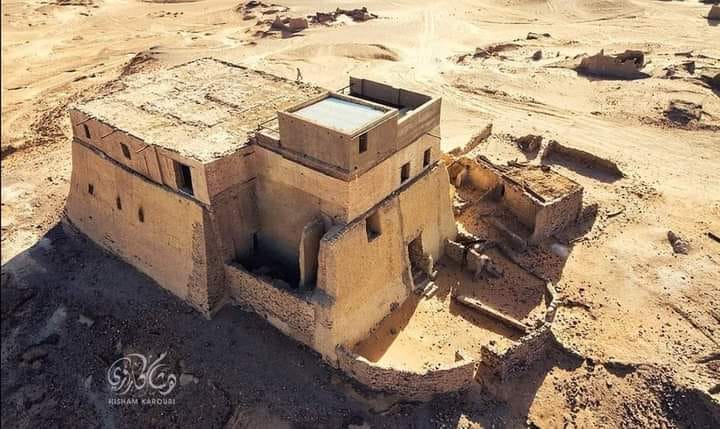
يتناول هذا المقرر دراسة الآثار الإسلامية بوصفها شاهدًا ماديًا على تطور الحضارة الإسلامية عبر العصور المختلفة، من صدر الإسلام حتى العصور المتأخرة. ويهدف إلى تعريف الطلاب بالتراث العمراني والفني الإسلامي، وتحليل دلالاته التاريخية والحضارية، وربطه بالسياقات السياسية والاجتماعية والثقافية التي نشأ فيها.
يبدأ المقرر بتحديد مفهوم علم الآثار الإسلامية ومناهجه، وبيان علاقته بالتاريخ والفنون الإسلامية وعلوم العمارة والترميم. كما يتناول مصادر دراسة الآثار الإسلامية، سواء كانت نصوصًا تاريخية وجغرافية، أو نقوشًا كتابية، أو شواهد مادية مكتشفة في المواقع الأثرية.
ويركز المقرر على دراسة تطور العمارة الإسلامية، بما في ذلك المساجد، والقصور، والمدارس، والخوانق، والبيمارستانات، والأسواق، والتحصينات، مع تحليل عناصرها المعمارية مثل التخطيط، والزخرفة، والخط العربي، والقباب، والمآذن. كما يتناول تطور الفنون التطبيقية كالفخار، والزجاج، والمعادن، والمنسوجات، والمسكوكات، ودورها في عكس المستوى الاقتصادي والثقافي للمجتمعات الإسلامية.
كما يعالج المقرر الخصائص الإقليمية للآثار الإسلامية في المشرق والمغرب والأندلس وإفريقيا وآسيا الوسطى والأناضول، مع إبراز تأثير البيئات المحلية في الطرز المعمارية والفنية. ويولي اهتمامًا خاصًا بالنقوش الكتابية (الكتابات التأسيسية والجنائزية)، وأهميتها في توثيق الأحداث والتواريخ وأسماء الحكام والمنشآت.
ويتناول المقرر كذلك قضايا حفظ التراث الإسلامي وصيانته، والمخاطر التي تهدد المواقع الأثرية، وأسس الترميم، وأهمية توظيف التقنيات الحديثة في التوثيق والدراسة. كما يناقش دور الآثار الإسلامية في تعزيز الهوية الثقافية، وتنمية السياحة الثقافية، والحفاظ على الذاكرة التاريخية.
This course examines Islamic archaeology as a material witness to the development of Islamic civilization across different historical periods, from the formative period of Islam to the later eras. It aims to introduce students to the architectural and artistic heritage of Islam, analyze its historical and civilizational significance, and relate it to the political, social, and cultural contexts in which it emerged.
The course begins by defining the concept of Islamic archaeology and its methodologies, and by clarifying its relationship to history, Islamic art, architecture, and conservation studies. It also addresses the sources for the study of Islamic archaeology, including historical and geographical texts, epigraphic inscriptions, and material remains discovered at archaeological sites.
The course focuses on the development of Islamic architecture, including mosques, palaces, madrasas, khānqāhs, bīmāristāns (hospitals), markets, and fortifications, with analysis of their architectural elements such as layout, ornamentation, Arabic calligraphy, domes, and minarets. It also examines the evolution of applied arts such as ceramics, glass, metalwork, textiles, and coinage, and their role in reflecting the economic and cultural levels of Islamic societies.
In addition, the course addresses the regional characteristics of Islamic monuments in the Mashriq, the Maghrib, al-Andalus, Africa, Central Asia, and Anatolia, highlighting the influence of local environments on architectural and artistic styles. Special attention is given to inscriptions (foundation and funerary inscriptions) and their importance in documenting events, dates, and the names of rulers and patrons.
The course further explores issues related to the preservation and conservation of Islamic heritage, the threats facing archaeological sites, principles of restoration, and the importance of employing modern technologies in documentation and research. It also discusses the role of Islamic monuments in strengthening cultural identity, promoting cultural tourism, and preserving historical memory.
يبدأ المقرر بتحديد مفهوم علم الآثار الإسلامية ومناهجه، وبيان علاقته بالتاريخ والفنون الإسلامية وعلوم العمارة والترميم. كما يتناول مصادر دراسة الآثار الإسلامية، سواء كانت نصوصًا تاريخية وجغرافية، أو نقوشًا كتابية، أو شواهد مادية مكتشفة في المواقع الأثرية.
ويركز المقرر على دراسة تطور العمارة الإسلامية، بما في ذلك المساجد، والقصور، والمدارس، والخوانق، والبيمارستانات، والأسواق، والتحصينات، مع تحليل عناصرها المعمارية مثل التخطيط، والزخرفة، والخط العربي، والقباب، والمآذن. كما يتناول تطور الفنون التطبيقية كالفخار، والزجاج، والمعادن، والمنسوجات، والمسكوكات، ودورها في عكس المستوى الاقتصادي والثقافي للمجتمعات الإسلامية.
كما يعالج المقرر الخصائص الإقليمية للآثار الإسلامية في المشرق والمغرب والأندلس وإفريقيا وآسيا الوسطى والأناضول، مع إبراز تأثير البيئات المحلية في الطرز المعمارية والفنية. ويولي اهتمامًا خاصًا بالنقوش الكتابية (الكتابات التأسيسية والجنائزية)، وأهميتها في توثيق الأحداث والتواريخ وأسماء الحكام والمنشآت.
ويتناول المقرر كذلك قضايا حفظ التراث الإسلامي وصيانته، والمخاطر التي تهدد المواقع الأثرية، وأسس الترميم، وأهمية توظيف التقنيات الحديثة في التوثيق والدراسة. كما يناقش دور الآثار الإسلامية في تعزيز الهوية الثقافية، وتنمية السياحة الثقافية، والحفاظ على الذاكرة التاريخية.
This course examines Islamic archaeology as a material witness to the development of Islamic civilization across different historical periods, from the formative period of Islam to the later eras. It aims to introduce students to the architectural and artistic heritage of Islam, analyze its historical and civilizational significance, and relate it to the political, social, and cultural contexts in which it emerged.
The course begins by defining the concept of Islamic archaeology and its methodologies, and by clarifying its relationship to history, Islamic art, architecture, and conservation studies. It also addresses the sources for the study of Islamic archaeology, including historical and geographical texts, epigraphic inscriptions, and material remains discovered at archaeological sites.
The course focuses on the development of Islamic architecture, including mosques, palaces, madrasas, khānqāhs, bīmāristāns (hospitals), markets, and fortifications, with analysis of their architectural elements such as layout, ornamentation, Arabic calligraphy, domes, and minarets. It also examines the evolution of applied arts such as ceramics, glass, metalwork, textiles, and coinage, and their role in reflecting the economic and cultural levels of Islamic societies.
In addition, the course addresses the regional characteristics of Islamic monuments in the Mashriq, the Maghrib, al-Andalus, Africa, Central Asia, and Anatolia, highlighting the influence of local environments on architectural and artistic styles. Special attention is given to inscriptions (foundation and funerary inscriptions) and their importance in documenting events, dates, and the names of rulers and patrons.
The course further explores issues related to the preservation and conservation of Islamic heritage, the threats facing archaeological sites, principles of restoration, and the importance of employing modern technologies in documentation and research. It also discusses the role of Islamic monuments in strengthening cultural identity, promoting cultural tourism, and preserving historical memory.
- Teacher: Tarig Mohamed Nour ALI
مقرر الحديث وعلومه 4 لطلاب المستوى الرابع تخصص دراسات إسلامية، ويتناول موضوع تخريج أحاديث النبي صلى الله عليه وسلم، من خلال خمس طرق، هي:
1 . التخريج عن طريق معرفة راوي الحديث من الصحابة.
⚫
2 . التخريج عن طريق معرفة أول لفظ من متن الحديث.
⚫
3 . التخريج عن طريق معرفة لفظ بارز أو يقل دورانه من أي جزء
من متن الحديث.
⚫
4 . التخريج عن طريق معرفة موضوع الحديث، أو موضوع من
موضوعاته.
⚫
5 . التخريج عن طريق النظر في صفات خاصة في سند الحديث أو
متنه، أو فيهما معا.
1 . التخريج عن طريق معرفة راوي الحديث من الصحابة.
⚫
2 . التخريج عن طريق معرفة أول لفظ من متن الحديث.
⚫
3 . التخريج عن طريق معرفة لفظ بارز أو يقل دورانه من أي جزء
من متن الحديث.
⚫
4 . التخريج عن طريق معرفة موضوع الحديث، أو موضوع من
موضوعاته.
⚫
5 . التخريج عن طريق النظر في صفات خاصة في سند الحديث أو
متنه، أو فيهما معا.