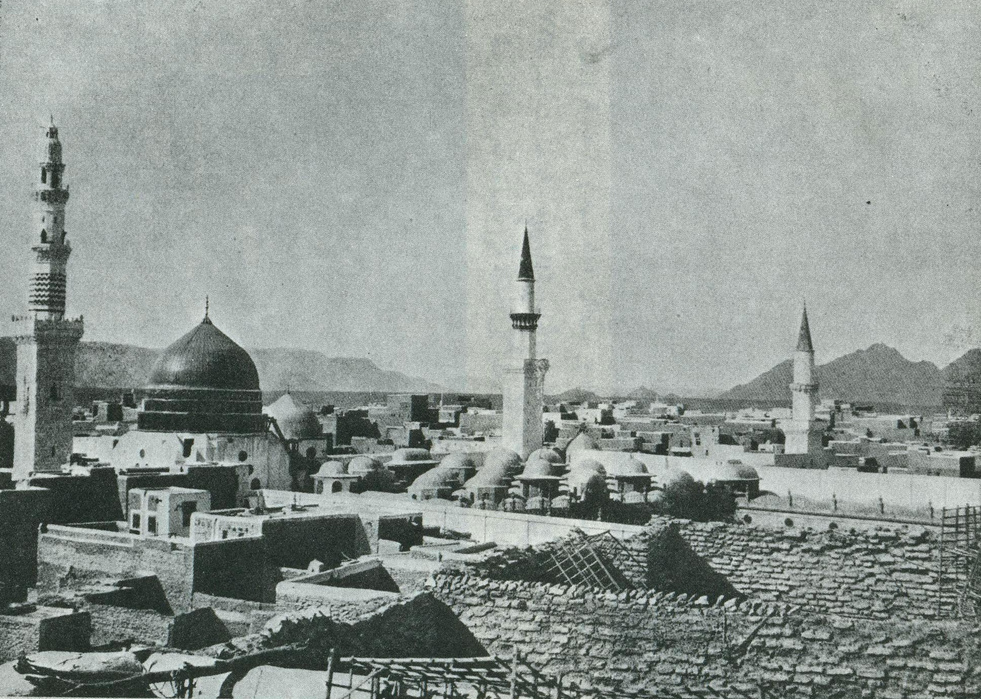
يهدف هذا المقرر إلى دراسة المرحلة التأسيسية في التاريخ الإسلامي، الممتدة من بزوغ الدعوة المحمدية في القرن السابع الميلادي وحتى نهاية عصر الخلفاء الراشدين، مع إضاءة تمهيدية على امتداداتها في العصر الأموي المبكر. وتُعد هذه المرحلة من أهم المراحل في التاريخ الإسلامي والعالمي، إذ شهدت تحولات دينية وسياسية واجتماعية عميقة أسست لقيام الدولة الإسلامية وانتشارها خارج شبه الجزيرة العربية.
يبدأ المقرر بدراسة الأوضاع السياسية والاقتصادية والاجتماعية والدينية في شبه الجزيرة العربية قبيل الإسلام، مع تحليل لبنية المجتمع العربي، والنظام القبلي، والعلاقات التجارية، والمعتقدات السائدة، وتأثير ذلك في تقبل الدعوة الجديدة. ثم ينتقل إلى دراسة تاريخ المسلمين في الفترتين المكية والمدنية، مع التركيز على تطور الاحداث المتعلقة بدعوة الاسلام، ومضامينها العقدية والأخلاقية، وأساليب التعامل مع قريش، وأثر الهجرة في بناء المجتمع المسلم.
كما يتناول المقرر قيام دولة المسلمين في المدينة المنورة، من خلال دراسة وثيقة المدينة، والمؤاخاة بين المهاجرين والأنصار، وتنظيم العلاقات بين المسلمين وغيرهم، إضافة إلى الغزوات والسرايا وأثرها السياسي والعسكري. ويتم تحليل طبيعة قيادة الرسول محمد صلي الله عليه و سلم، وأسس التشريع، وبناء المؤسسات الأولى في دولة المسلمين.
وفي القسم الثاني من المقرر، تُدرس مرحلة الخلافة الراشدة، مع تحليل نظام اختيار الخلفاء، وطبيعة السلطة السياسية، وإدارة الدولة، وتنظيم الدواوين، ونشر الاسلام وأثره في التحولات الديموغرافية والحضارية. كما يُعالج المقرر أبرز التحديات التي واجهت الدولة الناشئة، مثل حروب الردة، والفتنة الكبرى، والتحولات السياسية التي أفضت إلى قيام الدولة الأموية.
يركز المقرر كذلك على مناهج دراسة صدر الإسلام، من خلال التعريف بالمصادر الأصلية مثل القرآن الكريم، والسنة النبوية، وكتب السيرة والمغازي، والمصنفات التاريخية المبكرة، مع مناقشة قضايا التوثيق والنقد التاريخي، وإشكالات الرواية، وأثر الاتجاهات الفكرية والمذهبية في تدوين الأحداث و نشأة العلوم في الاسلام.
This course aims to examine the formative period of Islamic history, extending from the emergence of the Muhammadan message in the seventh century CE to the end of the era of the Rightly Guided Caliphs, with an introductory overview of its early extensions into the Umayyad period. This stage represents one of the most significant phases in both Islamic and world history, as it witnessed profound religious, political, and social transformations that laid the foundations for the establishment of the Islamic state and its expansion beyond the Arabian Peninsula.
The course begins with a study of the political, economic, social, and religious conditions in the Arabian Peninsula prior to Islam. It analyzes the structure of Arab society, the tribal system, commercial networks, prevailing beliefs, and their impact on the reception of the new message. It then moves to the study of the history of Muslims during the Meccan and Medinan periods, focusing on the development of events related to the Islamic call, its doctrinal and ethical foundations, methods of engagement with Quraysh, and the impact of the Hijra (migration) on the formation of the Muslim community.
The course also examines the establishment of the Muslim state in Medina through the study of the Constitution of Medina, the brotherhood between the Muhājirūn and the Anṣār, the organization of relations between Muslims and other communities, as well as the military expeditions (ghazawāt and sarāyā) and their political and military consequences. It further analyzes the nature of the leadership of the Prophet Muhammad (peace be upon him), the foundations of legislation, and the construction of the first institutions of the Muslim state.
In the second part of the course, the period of the Rightly Guided Caliphate is studied, with an analysis of the system of selecting the caliphs, the nature of political authority, state administration, the organization of administrative bureaus (dīwāns), and the spread of Islam and its impact on demographic and civilizational transformations. The course also addresses the major challenges faced by the emerging state, such as the Ridda wars, the First Civil War (al-Fitna al-Kubrā), and the political transformations that led to the establishment of the Umayyad state.
The course further emphasizes the methodologies for studying the formative period of Islam by introducing primary sources such as the Qur’an, the Prophetic Sunnah, works of sīra and maghāzī, and early historical writings. It discusses issues of documentation and historical criticism, problems of transmission, the influence of intellectual and sectarian trends on the recording of events, and the emergence of the Islamic sciences.
يبدأ المقرر بدراسة الأوضاع السياسية والاقتصادية والاجتماعية والدينية في شبه الجزيرة العربية قبيل الإسلام، مع تحليل لبنية المجتمع العربي، والنظام القبلي، والعلاقات التجارية، والمعتقدات السائدة، وتأثير ذلك في تقبل الدعوة الجديدة. ثم ينتقل إلى دراسة تاريخ المسلمين في الفترتين المكية والمدنية، مع التركيز على تطور الاحداث المتعلقة بدعوة الاسلام، ومضامينها العقدية والأخلاقية، وأساليب التعامل مع قريش، وأثر الهجرة في بناء المجتمع المسلم.
كما يتناول المقرر قيام دولة المسلمين في المدينة المنورة، من خلال دراسة وثيقة المدينة، والمؤاخاة بين المهاجرين والأنصار، وتنظيم العلاقات بين المسلمين وغيرهم، إضافة إلى الغزوات والسرايا وأثرها السياسي والعسكري. ويتم تحليل طبيعة قيادة الرسول محمد صلي الله عليه و سلم، وأسس التشريع، وبناء المؤسسات الأولى في دولة المسلمين.
وفي القسم الثاني من المقرر، تُدرس مرحلة الخلافة الراشدة، مع تحليل نظام اختيار الخلفاء، وطبيعة السلطة السياسية، وإدارة الدولة، وتنظيم الدواوين، ونشر الاسلام وأثره في التحولات الديموغرافية والحضارية. كما يُعالج المقرر أبرز التحديات التي واجهت الدولة الناشئة، مثل حروب الردة، والفتنة الكبرى، والتحولات السياسية التي أفضت إلى قيام الدولة الأموية.
يركز المقرر كذلك على مناهج دراسة صدر الإسلام، من خلال التعريف بالمصادر الأصلية مثل القرآن الكريم، والسنة النبوية، وكتب السيرة والمغازي، والمصنفات التاريخية المبكرة، مع مناقشة قضايا التوثيق والنقد التاريخي، وإشكالات الرواية، وأثر الاتجاهات الفكرية والمذهبية في تدوين الأحداث و نشأة العلوم في الاسلام.
This course aims to examine the formative period of Islamic history, extending from the emergence of the Muhammadan message in the seventh century CE to the end of the era of the Rightly Guided Caliphs, with an introductory overview of its early extensions into the Umayyad period. This stage represents one of the most significant phases in both Islamic and world history, as it witnessed profound religious, political, and social transformations that laid the foundations for the establishment of the Islamic state and its expansion beyond the Arabian Peninsula.
The course begins with a study of the political, economic, social, and religious conditions in the Arabian Peninsula prior to Islam. It analyzes the structure of Arab society, the tribal system, commercial networks, prevailing beliefs, and their impact on the reception of the new message. It then moves to the study of the history of Muslims during the Meccan and Medinan periods, focusing on the development of events related to the Islamic call, its doctrinal and ethical foundations, methods of engagement with Quraysh, and the impact of the Hijra (migration) on the formation of the Muslim community.
The course also examines the establishment of the Muslim state in Medina through the study of the Constitution of Medina, the brotherhood between the Muhājirūn and the Anṣār, the organization of relations between Muslims and other communities, as well as the military expeditions (ghazawāt and sarāyā) and their political and military consequences. It further analyzes the nature of the leadership of the Prophet Muhammad (peace be upon him), the foundations of legislation, and the construction of the first institutions of the Muslim state.
In the second part of the course, the period of the Rightly Guided Caliphate is studied, with an analysis of the system of selecting the caliphs, the nature of political authority, state administration, the organization of administrative bureaus (dīwāns), and the spread of Islam and its impact on demographic and civilizational transformations. The course also addresses the major challenges faced by the emerging state, such as the Ridda wars, the First Civil War (al-Fitna al-Kubrā), and the political transformations that led to the establishment of the Umayyad state.
The course further emphasizes the methodologies for studying the formative period of Islam by introducing primary sources such as the Qur’an, the Prophetic Sunnah, works of sīra and maghāzī, and early historical writings. It discusses issues of documentation and historical criticism, problems of transmission, the influence of intellectual and sectarian trends on the recording of events, and the emergence of the Islamic sciences.
- Teacher: Tarig Mohamed Nour ALI